
Dubai’s nightlife has changed. It’s not just about luxury hotels and rooftop bars anymore. Over the last five years, a quiet but powerful shift has taken place-one that’s reshaping how people experience companionship in the city. Escort services, once hidden in forums and private messages, are now part of the urban fabric. Not because they’re legal, but because demand has outpaced regulation. The city’s population boom, influx of expats, and high disposable income created the perfect conditions for this industry to grow. And it’s not just about sex. For many, it’s about connection, comfort, or simply having someone who listens without judgment.
Some clients turn to services like syrian escort dubai not because of stereotypes, but because they value cultural familiarity, language fluency, or a sense of warmth that feels harder to find in fast-paced environments. These services often operate under the radar, with discreet communication and vetted profiles. What’s surprising isn’t the existence of these services-it’s how normalized they’ve become among certain groups.
Why Now? The Forces Behind the Boom
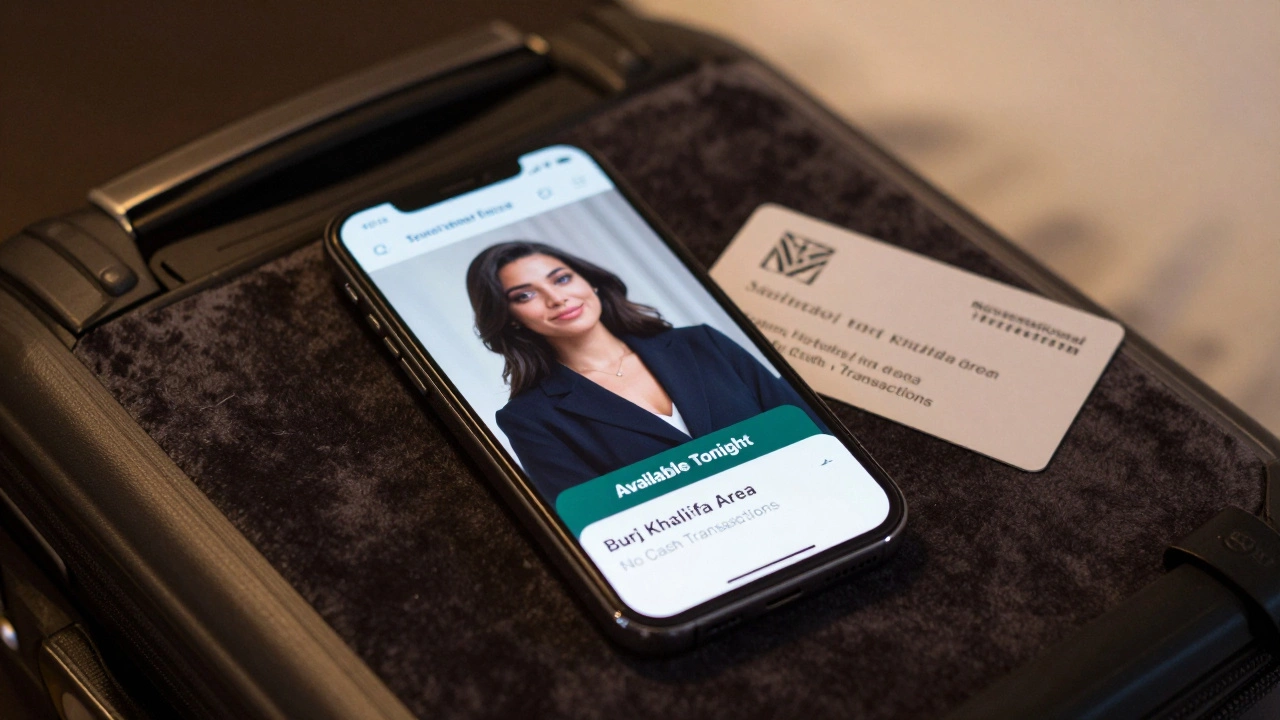
Dubai’s population grew by over 12% between 2020 and 2024. Nearly 90% of residents are expats. Many live alone, far from family, with demanding jobs and little social support. Loneliness isn’t talked about openly, but it’s real. That’s where escort services step in-not as replacements for relationships, but as temporary outlets for emotional and physical needs. The rise of encrypted apps and private booking platforms made access easier than ever. No more cold calls or shady alleyway meetings. Now, profiles include photos, interests, availability, and even reviews from past clients.
What’s driving the market isn’t just lust. It’s isolation. It’s burnout. It’s the pressure to perform in a city that never sleeps. A 2024 survey by a local mental health NGO found that 68% of single expats in Dubai reported feeling emotionally disconnected from their surroundings. For some, hiring an escort is the only way they feel seen.
The Faces Behind the Service
Behind every booking is a person. Many are women from Eastern Europe, Southeast Asia, and the Middle East. Some are students supplementing income. Others are former models or performers looking for more control over their earnings. One woman, who asked to remain anonymous, said she used to work in retail. After two years of 12-hour shifts and no savings, she switched to escorting. "I make more in one night than I did in two weeks before," she told a local journalist. "And I choose who I meet. That’s power."
There’s also a growing segment of male escorts, often former athletes or fitness trainers. They cater to a niche market of older women and LGBTQ+ clients who want discretion and physical compatibility. The industry isn’t monolithic. It’s layered, diverse, and surprisingly professional.
Some clients specifically look for bur dubai escort services-those who operate in the upscale neighborhoods like Burj Khalifa, Dubai Marina, or Palm Jumeirah. These providers often charge premium rates and emphasize privacy, luxury transport, and high-end venues. It’s not just about the encounter; it’s about the experience. A dinner at a rooftop restaurant, a sunset cruise, or a quiet night in a five-star suite. The service is tailored to match the client’s lifestyle.
The Dark Side: Risks and Realities
Not everything is glamorous. There are cases of exploitation, human trafficking, and underage involvement. Authorities crack down occasionally, shutting down operations and arresting brokers. But the decentralized nature of the industry makes it hard to control. Most providers avoid illegal activity by staying within gray zones-no explicit sex for money, just "companionship" with ambiguous boundaries.
There’s also the emotional toll. Many escorts report feeling used, drained, or disconnected after long nights. One former escort, now a counselor, said: "I thought I was in control. But after a year, I realized I was just trading my presence for cash. I didn’t miss the money-I missed feeling like a real person."
And then there’s the stigma. Clients fear exposure. Escorts fear arrest. Families fear shame. The secrecy creates a culture of silence. People don’t talk about it, even among friends. But the numbers don’t lie: Google searches for "escort Dubai" increased by 210% from 2020 to 2024.
Who’s Really Using These Services?
It’s not just wealthy businessmen or lonely tourists. The typical client? A 32-year-old software engineer from Germany, working remotely in Dubai for six months. A 45-year-old divorcee from Canada who’s tired of dating apps. A 28-year-old nurse from the Philippines saving up for her brother’s surgery. These aren’t caricatures. They’re real people with real reasons.
One of the most unexpected trends is the rise of pornstar escort dubai services. Not because clients want to meet celebrities, but because many of these individuals already have experience in performance, confidence, and reading people. Their training translates well into companionship. They know how to make someone feel special. They’re often more emotionally intelligent than the average person in this space. And they command higher rates-not because of fame, but because of skill.
What Happens If You Get Caught?
Dubai has strict laws against prostitution. The legal line is blurry: paying for dinner and conversation is fine. Paying for sex? That’s a crime. Penalties include fines, deportation, and sometimes jail time. But enforcement is inconsistent. Most cases are handled quietly, especially if no violence or underage involvement is involved. Expats who get caught often leave the country before charges are filed. Locals face harsher consequences.
That’s why most services operate with extreme caution. No cash transactions. No contracts. No public advertising. Everything is done through encrypted apps, coded messages, and private meetups. Clients are vetted. Escorts are vetted. It’s a system built on trust-and fear.
Is This the Future?
There’s no sign this trend is slowing. As Dubai becomes more global, more diverse, and more isolated for many of its residents, the demand for human connection will only grow. Legalization isn’t likely anytime soon-the government still clings to conservative values. But regulation might come. Think licensed companionship agencies, background checks, mandatory health screenings. It’s not far-fetched. Countries like Germany and the Netherlands already have systems like this.
For now, the industry thrives in shadows. But it’s no longer invisible. It’s part of the city’s hidden economy. And whether you agree with it or not, it’s here to stay.